Top Ad 728x90

More Stories

s2

Friday, 11 September 2026

Health

by

Health


 Engaging Introduction Tomatoes are one of those everyday ingredients that quietly show up in countless meals—from fresh salads to hearty pasta sauces. But behind their familiar taste lies something far more powerful. This simple fruit (yes, it’s technically a fruit!) is packed with nutrients that can support your health in surprising ways. I used to think of tomatoes as just… there. A slice on a burger. A few chunks in a salad. Nothing special. Then I started digging into the research, and honestly? I was floored. We’re talking about a food that can help protect your heart, nudge the scale in the right direction, and even fight off daily cellular damage—all while costing pocket change at the grocery store. If you’re looking for an easy healthy recipe lifestyle, better weight loss choices, or smarter meal prep ingredients, tomatoes deserve a closer look. Backed by nutrition science, they offer benefits that go beyond flavor—supporting everything from heart health to cellular protection. Grab a glass of tomato juice or a handful of cherry tomatoes, and let’s walk through why this red orb might just be the unsung hero of your kitchen. Why Tomatoes Deserve a Permanent Spot in Your Kitchen Before we get into the science-y stuff, here’s the bottom line: tomatoes are low in calories but high in water, fiber, and vitamins. One medium tomato has about 22 calories. Twenty-two! You could eat five of them and still not hit the calories in a single granola bar. But calories aren’t the whole story. The real magic is in the plant compounds—especially one called lycopene. More on that in a minute. Quick nutrition snapshot (one medium tomato, raw): ADVERTISEMENT Calories: 22 Fiber: 1.5 grams Vitamin C: 28% of your daily need Vitamin K: 12% Potassium: 8% Folate: 6% Not bad for something that tastes like summer, right?

SLet’s start with the big one. Heart disease is still the leading cause of death globally, but here’s the good news: small dietary changes add up. Eating tomatoes regularly is one of those changes. Lycopene to the Rescue Lycopene is the pigment that makes tomatoes red. It’s also a potent antioxidant that fights oxidative stress—a major driver of heart disease. Studies suggest that people with higher blood levels of lycopene have a significantly lower risk of stroke and heart attack. Here’s a cool twist: cooking tomatoes actually boosts lycopene availability. Raw tomatoes are great, but cooked or processed tomatoes (think sauce, paste, or even ketchup) release more lycopene for your body to use. That’s why your grandma’s long-simmered marinara isn’t just delicious—it’s medicinal. Blood Pressure and Cholesterol Support Tomatoes are rich in potassium, a mineral that helps relax blood vessel walls and lower blood pressure. They also contain a compound called beta-carotene, which works alongside lycopene to reduce LDL (the “bad”) cholesterol oxidation. When LDL oxidizes, it becomes sticky and contributes to artery plaque. Tomatoes help stop that process before it starts. What this means for you: A few servings of tomatoes per week—whether fresh, cooked, or in sauce—can quietly support your cardiovascular system without you thinking twice. 2. Weight Loss: How Tomatoes Help Without Feeling Like a Diet If you’ve ever tried a restrictive diet, you know the feeling of constant hunger. It’s miserable. Tomatoes won’t do that to you. Low Calories, High Volume Because tomatoes are about 95% water, they fill up space in your stomach without filling up your calorie budget. Toss a chopped tomato into your eggs, pile them on a sandwich, or eat a handful of cherry tomatoes as a snack. You’ll feel satisfied with almost no caloric impact. Fiber Keeps You Fuller Longer That 1.5 grams of fiber per tomato might not sound like much, but it adds up. Fiber slows digestion, stabilizes blood sugar, and keeps cravings at bay. Pair tomatoes with a protein or healthy fat (like mozzarella or avocado), and you’ve got a snack that actually holds you until the next meal. Replacing High-Calorie Ingredients Here’s a practical trick: use tomatoes to swap out heavier ingredients. Instead of creamy dressing on your salad, try fresh tomato slices with a drizzle of balsamic. Instead of a thick layer of cheese on your sandwich, add roasted tomatoes for moisture and flavor. Small swaps like these add up over weeks and months. Real talk: Tomatoes won’t magically melt away pounds. No food does. But as part of a balanced, whole-foods diet, they make eating less feel like eating more. And that’s a game changer. 3. Other Surprising Benefits You Didn’t Expect We’ve covered heart health and weight loss, but tomatoes have more tricks up their sleeve. Skin Protection from the Inside Out Lycopene doesn’t just help your heart—it helps your skin handle UV damage. No, eating tomatoes isn’t a replacement for sunscreen. But studies show that people who consume tomato paste regularly have better natural protection against sunburn and skin aging. The lycopene accumulates in your skin tissue over time, acting like a weak internal SPF. Pair it with olive oil for better absorption. Cancer-Fighting Potential Research on lycopene and prostate cancer is particularly strong. Several large studies suggest that men who eat more cooked tomatoes have a lower risk of prostate cancer. There’s also emerging evidence for lung, stomach, and breast cancers. Scientists believe it’s the combination of antioxidants working together—not just lycopene alone. Bone Health Tomatoes contain vitamin K and calcium, both essential for bone maintenance. One study even found that postmenopausal women who ate more lycopene-rich foods had lower markers of bone breakdown. Not bad for a fruit that costs less than a dollar. Eye Health Lycopene, lutein, and beta-carotene—all found in tomatoes—are linked to lower risk of age-related macular degeneration, a leading cause of vision loss. Your eyes will thank you years from now. How to Eat More Tomatoes (Without Getting Bored) Let’s be honest. Slicing a raw tomato over and over gets old. Here’s how I keep tomatoes exciting in my own kitchen. Raw Ideas Tomato salad: Chop heirloom tomatoes with cucumber, red onion, fresh basil, olive oil, and a splash of red wine vinegar. Tomato toast: Smash roasted garlic onto sourdough, layer thick tomato slices, sprinkle salt and pepper, drizzle balsamic glaze. Cherry tomato snack: Toss with a little salt and eat by the handful. Add a cube of cheese if you’re feeling fancy. Cooked Ideas (Higher Lycopene!) Quick marinara: Sauté garlic in olive oil, add a can of crushed tomatoes, simmer 10 minutes with basil. Done. ADVERTISEMENT Roasted tomatoes: Cut tomatoes in half, drizzle with olive oil, roast at 400°F for 20 minutes. Use on everything—pasta, eggs, chicken, or straight off the pan. Tomato soup: Sauté onion and garlic, add canned tomatoes and vegetable broth, blend until smooth. Add a swirl of cream or coconut milk. Sneaky Ways to Add Tomatoes Stir tomato paste into soups, stews, or chili for depth. Add chopped sun-dried tomatoes to scrambled eggs. Blend roasted tomatoes into a smoothie (sounds weird, but works with basil and a little honey). Frequently Asked Questions About Tomatoes Are tomatoes better raw or cooked for health? Both are great, but cooked tomatoes deliver more absorbable lycopene. Raw tomatoes have more vitamin C, which is heat-sensitive. Eat both for maximum benefit. Can tomatoes help with belly fat specifically? No food targets belly fat directly. But tomatoes’ low calorie density and high water content help with overall weight management, which includes reducing visceral fat over time. Are canned tomatoes as healthy as fresh? Often, yes—sometimes even healthier. Canned tomatoes are cooked during processing, which boosts lycopene availability. Just watch for added salt or sugar. Look for “no salt added” or “low sodium” versions. Should I eat tomato skins? Yes! The skins contain much of the fiber and many of the antioxidants. Don’t peel them unless a recipe specifically calls for it. Can anyone eat too many tomatoes? For most people, no. But if you have acid reflux or GERD, tomatoes can trigger symptoms because of their natural acidity. Also, people on certain blood pressure medications (like beta-blockers) should be mindful of potassium intake—talk to your doctor. Do cherry tomatoes have the same benefits? Absolutely. Smaller varieties often have an even higher concentration of lycopene and sugar (which is why they taste sweeter). Eat them with confidence. A Simple Tomato Challenge (Try This This Week) Here’s a low-pressure way to see if tomatoes make a difference in how you feel. For the next seven days, add one serving of tomatoes to two meals per day. That’s it. Breakfast: Tomato slices with your eggs or avocado toast. Lunch: Handful of cherry tomatoes on the side of your sandwich. Dinner: Roasted tomatoes or a tomato-based sauce. You don’t need to overhaul your life. Just nudge it. At the end of the week, notice how you feel. More energy? Less bloating? Fewer cravings? Many people are surprised. The Bottom Line (Warm, Encouraging, Real) Look, I’m not here to tell you that tomatoes will cure all your problems or replace your doctor’s advice. But I am here to say this: the best healthy habits are the ones you barely notice. You don’t have to choke down kale smoothies or count every single gram of protein. Sometimes, health looks like a bowl of cherry tomatoes on the counter that you grab mindlessly while cooking dinner. Tomatoes are humble. They’re cheap. They’re forgiving in the fridge. And they quietly, steadily support your heart, your weight goals, and your long-term health—one slice at a time. So next time you’re at the store, grab an extra bunch. Roast them. Sauce them. Slice them onto toast. Your future self—with healthier arteries, steadier energy, and maybe a looser belt—will thank you. Now I’d love to hear from you. Do you have a favorite way to eat tomatoes? A family recipe that uses them? Or are you someone who thought you didn’t like tomatoes until you tried them roasted? Drop a comment below—I genuinely read every single one. And if this article helped you see this simple food in a new light, share it with a friend who needs a little healthy inspiration.
Health

by


Health


Engaging Introduction

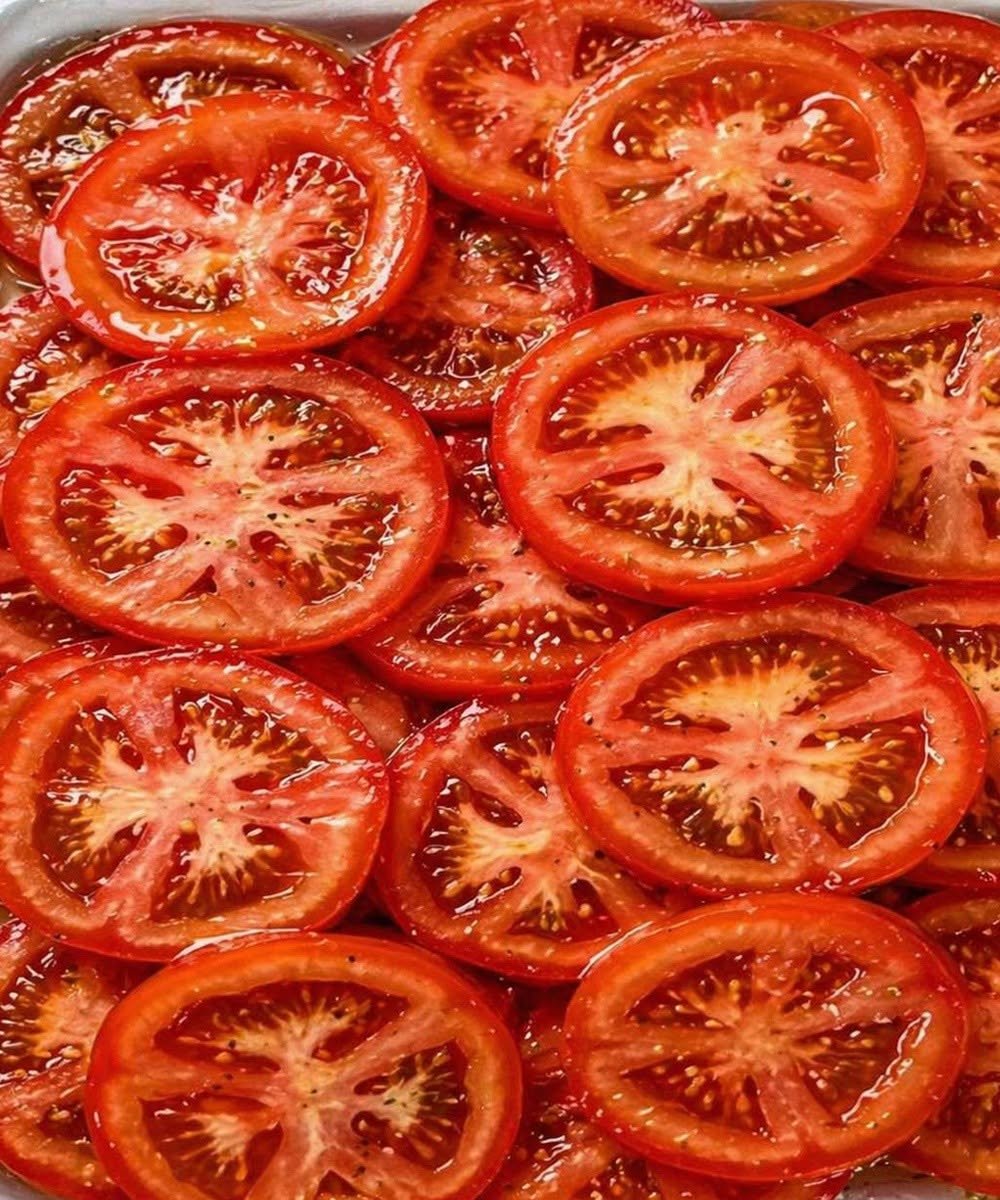
Tomatoes are one of those everyday ingredients that quietly show up in countless meals—from fresh salads to hearty pasta sauces. But behind their familiar taste lies something far more powerful. This simple fruit (yes, it’s technically a fruit!) is packed with nutrients that can support your health in surprising ways.

I used to think of tomatoes as just… there. A slice on a burger. A few chunks in a salad. Nothing special. Then I started digging into the research, and honestly? I was floored.

We’re talking about a food that can help protect your heart, nudge the scale in the right direction, and even fight off daily cellular damage—all while costing pocket change at the grocery store. If you’re looking for an easy healthy recipe lifestyle, better weight loss choices, or smarter meal prep ingredients, tomatoes deserve a closer look. Backed by nutrition science, they offer benefits that go beyond flavor—supporting everything from heart health to cellular protection.

Grab a glass of tomato juice or a handful of cherry tomatoes, and let’s walk through why this red orb might just be the unsung hero of your kitchen.

Why Tomatoes Deserve a Permanent Spot in Your Kitchen

Before we get into the science-y stuff, here’s the bottom line: tomatoes are low in calories but high in water, fiber, and vitamins. One medium tomato has about 22 calories. Twenty-two! You could eat five of them and still not hit the calories in a single granola bar.

But calories aren’t the whole story. The real magic is in the plant compounds—especially one called lycopene. More on that in a minute.

Quick nutrition snapshot (one medium tomato, raw):


  • Calories: 22

  • Fiber: 1.5 grams

  • Vitamin C: 28% of your daily need

  • Vitamin K: 12%

  • Potassium: 8%

  • Folate: 6%

Not bad for something that tastes like summer, right?

Let’s start with the big one. Heart disease is still the leading cause of death globally, but here’s the good news: small dietary changes add up. Eating tomatoes regularly is one of those changes.

Lycopene to the Rescue

Lycopene is the pigment that makes tomatoes red. It’s also a potent antioxidant that fights oxidative stress—a major driver of heart disease. Studies suggest that people with higher blood levels of lycopene have a significantly lower risk of stroke and heart attack.

Here’s a cool twist: cooking tomatoes actually boosts lycopene availability. Raw tomatoes are great, but cooked or processed tomatoes (think sauce, paste, or even ketchup) release more lycopene for your body to use. That’s why your grandma’s long-simmered marinara isn’t just delicious—it’s medicinal.

Blood Pressure and Cholesterol Support

Tomatoes are rich in potassium, a mineral that helps relax blood vessel walls and lower blood pressure. They also contain a compound called beta-carotene, which works alongside lycopene to reduce LDL (the “bad”) cholesterol oxidation. When LDL oxidizes, it becomes sticky and contributes to artery plaque. Tomatoes help stop that process before it starts.

What this means for you: A few servings of tomatoes per week—whether fresh, cooked, or in sauce—can quietly support your cardiovascular system without you thinking twice.

2. Weight Loss: How Tomatoes Help Without Feeling Like a Diet

If you’ve ever tried a restrictive diet, you know the feeling of constant hunger. It’s miserable. Tomatoes won’t do that to you.

Low Calories, High Volume

Because tomatoes are about 95% water, they fill up space in your stomach without filling up your calorie budget. Toss a chopped tomato into your eggs, pile them on a sandwich, or eat a handful of cherry tomatoes as a snack. You’ll feel satisfied with almost no caloric impact.

Fiber Keeps You Fuller Longer

That 1.5 grams of fiber per tomato might not sound like much, but it adds up. Fiber slows digestion, stabilizes blood sugar, and keeps cravings at bay. Pair tomatoes with a protein or healthy fat (like mozzarella or avocado), and you’ve got a snack that actually holds you until the next meal.

Replacing High-Calorie Ingredients

Here’s a practical trick: use tomatoes to swap out heavier ingredients. Instead of creamy dressing on your salad, try fresh tomato slices with a drizzle of balsamic. Instead of a thick layer of cheese on your sandwich, add roasted tomatoes for moisture and flavor. Small swaps like these add up over weeks and months.

Real talk: Tomatoes won’t magically melt away pounds. No food does. But as part of a balanced, whole-foods diet, they make eating less feel like eating more. And that’s a game changer.

3. Other Surprising Benefits You Didn’t Expect

We’ve covered heart health and weight loss, but tomatoes have more tricks up their sleeve.

Skin Protection from the Inside Out

Lycopene doesn’t just help your heart—it helps your skin handle UV damage. No, eating tomatoes isn’t a replacement for sunscreen. But studies show that people who consume tomato paste regularly have better natural protection against sunburn and skin aging. The lycopene accumulates in your skin tissue over time, acting like a weak internal SPF. Pair it with olive oil for better absorption.

Cancer-Fighting Potential

Research on lycopene and prostate cancer is particularly strong. Several large studies suggest that men who eat more cooked tomatoes have a lower risk of prostate cancer. There’s also emerging evidence for lung, stomach, and breast cancers. Scientists believe it’s the combination of antioxidants working together—not just lycopene alone.

Bone Health

Tomatoes contain vitamin K and calcium, both essential for bone maintenance. One study even found that postmenopausal women who ate more lycopene-rich foods had lower markers of bone breakdown. Not bad for a fruit that costs less than a dollar.

Eye Health

Lycopene, lutein, and beta-carotene—all found in tomatoes—are linked to lower risk of age-related macular degeneration, a leading cause of vision loss. Your eyes will thank you years from now.

How to Eat More Tomatoes (Without Getting Bored)

Let’s be honest. Slicing a raw tomato over and over gets old. Here’s how I keep tomatoes exciting in my own kitchen.

Raw Ideas

  • Tomato salad: Chop heirloom tomatoes with cucumber, red onion, fresh basil, olive oil, and a splash of red wine vinegar.

  • Tomato toast: Smash roasted garlic onto sourdough, layer thick tomato slices, sprinkle salt and pepper, drizzle balsamic glaze.

  • Cherry tomato snack: Toss with a little salt and eat by the handful. Add a cube of cheese if you’re feeling fancy.

Cooked Ideas (Higher Lycopene!)

  • Quick marinara: Sauté garlic in olive oil, add a can of crushed tomatoes, simmer 10 minutes with basil. Done.

    ADVERTISEMENT


  • Roasted tomatoes: Cut tomatoes in half, drizzle with olive oil, roast at 400°F for 20 minutes. Use on everything—pasta, eggs, chicken, or straight off the pan.

  • Tomato soup: Sauté onion and garlic, add canned tomatoes and vegetable broth, blend until smooth. Add a swirl of cream or coconut milk.

Sneaky Ways to Add Tomatoes

  • Stir tomato paste into soups, stews, or chili for depth.

  • Add chopped sun-dried tomatoes to scrambled eggs.

  • Blend roasted tomatoes into a smoothie (sounds weird, but works with basil and a little honey).

Frequently Asked Questions About Tomatoes

Are tomatoes better raw or cooked for health?
Both are great, but cooked tomatoes deliver more absorbable lycopene. Raw tomatoes have more vitamin C, which is heat-sensitive. Eat both for maximum benefit.

Can tomatoes help with belly fat specifically?
No food targets belly fat directly. But tomatoes’ low calorie density and high water content help with overall weight management, which includes reducing visceral fat over time.

Are canned tomatoes as healthy as fresh?
Often, yes—sometimes even healthier. Canned tomatoes are cooked during processing, which boosts lycopene availability. Just watch for added salt or sugar. Look for “no salt added” or “low sodium” versions.

Should I eat tomato skins?
Yes! The skins contain much of the fiber and many of the antioxidants. Don’t peel them unless a recipe specifically calls for it.

Can anyone eat too many tomatoes?
For most people, no. But if you have acid reflux or GERD, tomatoes can trigger symptoms because of their natural acidity. Also, people on certain blood pressure medications (like beta-blockers) should be mindful of potassium intake—talk to your doctor.

Do cherry tomatoes have the same benefits?
Absolutely. Smaller varieties often have an even higher concentration of lycopene and sugar (which is why they taste sweeter). Eat them with confidence.

A Simple Tomato Challenge (Try This This Week)

Here’s a low-pressure way to see if tomatoes make a difference in how you feel. For the next seven days, add one serving of tomatoes to two meals per day. That’s it.

  • Breakfast: Tomato slices with your eggs or avocado toast.

  • Lunch: Handful of cherry tomatoes on the side of your sandwich.

  • Dinner: Roasted tomatoes or a tomato-based sauce.

You don’t need to overhaul your life. Just nudge it. At the end of the week, notice how you feel. More energy? Less bloating? Fewer cravings? Many people are surprised.

The Bottom Line (Warm, Encouraging, Real)

Look, I’m not here to tell you that tomatoes will cure all your problems or replace your doctor’s advice. But I am here to say this: the best healthy habits are the ones you barely notice. You don’t have to choke down kale smoothies or count every single gram of protein. Sometimes, health looks like a bowl of cherry tomatoes on the counter that you grab mindlessly while cooking dinner.

Tomatoes are humble. They’re cheap. They’re forgiving in the fridge. And they quietly, steadily support your heart, your weight goals, and your long-term health—one slice at a time.

So next time you’re at the store, grab an extra bunch. Roast them. Sauce them. Slice them onto toast. Your future self—with healthier arteries, steadier energy, and maybe a looser belt—will thank you.

Now I’d love to hear from you. Do you have a favorite way to eat tomatoes? A family recipe that uses them? Or are you someone who thought you didn’t like tomatoes until you tried them roasted? Drop a comment below—I genuinely read every single one. And if this article helped you see this simple food in a new light, share it with a friend who needs a little healthy inspiration.

Thursday, 10 September 2026

My Brother Took This Photo Only 21 km from Our House: Do You Have Any Idea What It Is?

by


My Brother Took This Photo Only 21 km from Our House: Do You Have Any Idea What It Is?


Sometimes, all it takes is a snapshot taken almost by chance to ignite social media. A strange shape in the sky, captured just a few kilometers from home, and suddenly interpretations run rampant. Miracle? Illusion? Simple play of light? This image, shared online a few months ago, continues to fascinate and divide.


The Photograph That Sparked a Thousand Theories

Alfredo Lo Grossa claims to have taken this astonishing photograph in Italy, above the Tyrrhenian Sea. In the sky, a cloud formation appears to outline the silhouette of a monumental statue with outstretched arms.

Many immediately thought of the famous Christ the Redeemer, the iconic statue overlooking Rio de Janeiro. Standing approximately 30 meters tall, it is one of the most recognizable symbols in the world.

Is the resemblance striking? For some, yes. For others, it’s simply another cloud among many.

The most likely explanation is a psychological phenomenon called pareidolia—the tendency of the human brain to see familiar patterns, especially faces and figures, in random stimuli.

Think about it:

  • Seeing faces in clouds

  • Recognizing shapes in rock formations

  • Spotting animals in constellations

Our brains are wired for pattern recognition. It kept our ancestors alive (that shape in the bushes could be a predator). Today, it makes us see Jesus in toast and statues in clouds.

Why it fits: The cloud formation happens to resemble a shape our culture has primed us to recognize—a statue with outstretched arms.


Theory 2: A Rare Cloud Formation

While pareidolia explains why we see a statue, the cloud itself is real. Certain cloud types can create dramatic, unusual shapes:

  • Lenticular clouds – Often mistaken for UFOs, these lens-shaped clouds form near mountains

  • Mammatus clouds – Pouch-like formations that can appear dramatic

  • Wave clouds – Formed by atmospheric waves

The Tyrrhenian Sea region has complex weather patterns that could produce striking formations.


Theory 3: Optical Illusion of Light and Shadow

The angle of the sun, the time of day, and atmospheric conditions can transform ordinary clouds into extraordinary silhouettes. The outstretched arms effect could be a play of light and shadow on a cloud layer.


Theory 4: Something More Mysterious?

Of course, whenever an unusual image appears, speculation runs wild:

  • Spiritual significance – A divine sign or visitation

  • Unexplained phenomenon – Something science can’t yet explain

  • Hoax or digital manipulation – Always possible in the age of editing


What Do You See?

The beauty of images like this is that they invite us to pause and wonder. Is it:

  • A striking natural phenomenon?

  • A trick of the mind?

  • Something that defies easy explanation?

  • Simply a beautiful cloud?


The Science of Wonder

Whatever this image represents, it touches something fundamental in us: the desire to find meaning, to see signs, to connect the ordinary with the extraordinary.

Pareidolia isn’t a debunking—it’s a feature of being human. Our ability to see patterns, to find faces in clouds, to imagine stories from shapes—it’s part of what makes us creative, spiritual, and curious.


The Bottom Line

Is this photograph evidence of something miraculous? Probably not. Is it a beautiful, thought-provoking image that invites wonder and discussion? Absolutely.

Sometimes the magic isn’t in what the image is, but in what it makes us feel—that moment of pause, that flicker of possibility, that conversation with others about what we see.

And that’s pretty wonderful on its own.

s3

Top Ad 728x90

Top Ad 728x90